Why Hiring a Criminal Defense Lawyer in Lafayette LA Can Ease Stress
@jeffreybwdg721
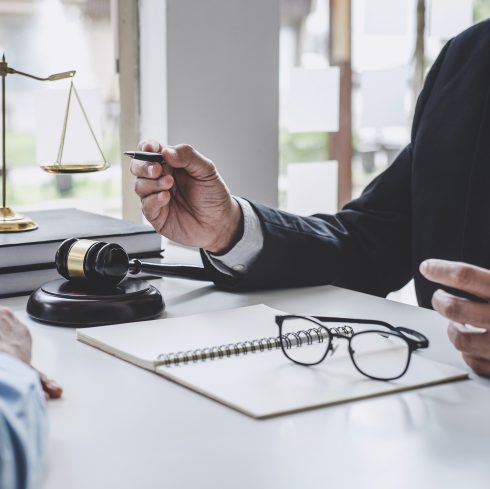

A criminal charge changes the temperature of a person’s life fast. One phone call, one arrest, one court date, and suddenly work, family, finances, and reputation all feel unstable at once. Even people who usually handle pressure well can find themselves losing sleep, missing details, or making decisions from fear instead of judgment. That reaction is normal. The legal system moves on deadlines, procedure, and precise language, while most people facing charges are trying to think through shock.
That gap is one reason hiring a criminal defense lawyer in Lafayette LA can reduce stress in a very real, practical way. The value is not just legal knowledge, though that matters. It is also structure. It is having someone who knows what happens next, what matters right now, and what can wait. It is having a professional who can stand between you and the confusion that often comes with an arrest, an investigation, or a court summons.
Stress in a criminal case does not come from one source. It comes from several at the same time. There is fear of jail, fear of fines, fear of losing a job, fear of how family members will react, and fear of saying the wrong thing. In Lafayette, as in many places, local court practices, personalities, scheduling realities, and procedural habits can shape how a case unfolds. That local texture matters more than people often realize. A lawyer who regularly works in the area brings more than textbook law. That person brings a working sense of how the process actually functions on the ground.
The stress starts before court ever does
For many people, the hardest hours come before the first hearing. They do not know whether police will contact them again, whether they should answer questions, whether they need to post bond, or whether a case has already been filed. Rumors start. Relatives offer advice. Friends repeat stories about what happened to someone else years ago. Much of that advice is either incomplete or flatly wrong.
A defense lawyer gives shape to that uncertainty. Instead of relying on secondhand opinions, you get guidance tailored to the charge, the facts, and the court involved. That alone can take the edge off panic. It is hard to overstate how much calmer people become once they know the difference between what is urgent and what is merely frightening.
A person accused of DWI, drug possession, theft, domestic violence, assault, or another offense often thinks every problem must be solved immediately. In reality, criminal cases usually involve phases. There may be arrest and booking, bond conditions, arraignment, discovery, negotiations, motions, and then either resolution or trial preparation. A good lawyer explains that sequence in plain English. Once a client understands where the case sits and what the next decision point is, the mind stops spinning quite so wildly.
Knowledge lowers fear because surprises become fewer
One of the most stressful parts of any criminal case is not knowing what to expect. Courtrooms feel intimidating even to people who have been in them before. The language is formal. The stakes are high. Small details seem loaded with meaning, and often they are.
When a lawyer prepares a client properly, many of those unknowns become manageable. You learn where to go, when to arrive, how to dress, when to speak, and when silence is wiser. You learn what a prosecutor may ask for, what a judge may focus on, and what documents need to be gathered. You also learn what not to do, which is just as important.
That preventive guidance relieves stress because it reduces avoidable mistakes. People under pressure talk too much, post on social media, contact witnesses when they should not, or ignore bond conditions because they do not grasp how serious those conditions are. A lawyer helps stop small errors from becoming bigger legal problems.
I have seen people feel immediate relief simply from hearing a lawyer say, “Do not discuss the facts with anyone but me,” or “Bring proof of employment, proof of residence, and any treatment records.” Specific direction steadies people. Vague encouragement does not.
Lafayette is not just a dot on the map
Criminal law may be based on statutes and constitutional rules, but cases are still handled by real people in local institutions. That is why Criminal defense lawyer Lafayette LA local experience matters. A criminal defense lawyer in Lafayette LA will often understand details that do not appear in a penal code. That can include common scheduling patterns, local pretrial expectations, documentation preferences, and how certain fact patterns tend to be approached.
This is not about special treatment. It is about familiarity with the environment. A lawyer who regularly appears in a local court knows how to present a client clearly and efficiently in that setting. The lawyer also knows what issues need early attention. For one client, that might be a bond modification so they can return to work. For another, it might be preserving evidence quickly before it disappears. For someone else, it may be addressing a misunderstanding before a weak allegation hardens into a stronger case on paper.
Local counsel can also help explain the practical impact of a charge in that region. Lafayette has a strong sense of community. Word travels. For professionals, students, plant workers, healthcare employees, and people in licensed trades, even a pending charge can have ripple effects. Stress rises when a person feels every area of life is vulnerable. A lawyer who has handled these concerns before can offer realistic advice, not just legal theory.
A defense lawyer becomes a buffer between you and the system
There is a reason people often feel drained after every contact with law enforcement, the court, or the prosecutor’s office. Those interactions are not casual conversations. Every statement can matter. Every missed date can matter. Every document can matter.
Once counsel is involved, much of the communication can go through the lawyer. That changes the emotional load significantly. Instead of fielding calls and trying to decipher legal language alone, you have someone whose job is to receive information, translate it, respond strategically, and keep a record of what happened.
That buffer matters on difficult days. Imagine trying to prepare for work while worrying about a hearing, family questions, and whether a prosecutor filed additional charges. Or imagine being a parent who must arrange childcare while also trying to understand a bond condition. Stress compounds when every administrative detail lands on the accused person without support. A lawyer can absorb a large share of that burden.
This also helps families. Spouses, parents, and close relatives are usually stressed too. They want updates. They want reassurance. They often want to help, but they do not know how. When a lawyer gives clear expectations and a roadmap, the entire household tends to calm down. Not because the case has vanished, but because chaos has been replaced with process.
Good representation helps you avoid decisions made from panic
People under criminal investigation often want immediate relief, even if it creates long-term damage. That is understandable. When someone is scared, a quick deal can sound attractive. So can giving a statement in the hope that cooperation will make the problem disappear. Sometimes those choices backfire.
A defense lawyer brings distance and discipline. The lawyer can evaluate whether a plea offer is truly favorable, whether the facts support filing motions, whether there are weaknesses in the state’s evidence, and whether collateral consequences make a seemingly minor outcome much more serious than it appears.
For example, a plea that sounds manageable in the moment could affect professional licensing, firearm rights, immigration status, student aid, housing opportunities, or future background checks. Stress makes it hard to weigh those downstream effects carefully. Counsel exists in part to slow the process enough for wise decisions to happen.
That does not mean every case should go to trial. It means every case deserves analysis. Sometimes the least stressful path is a negotiated resolution reached early and intelligently. Sometimes early resolution is a mistake because key evidence has not been reviewed. Knowing the difference is where legal judgment earns its keep.
The right lawyer also helps with the life issues attached to the charge
Criminal cases rarely stay neatly confined to court dates. They spill into ordinary life. A person may need help understanding travel restrictions, no-contact orders, occupational concerns, treatment requirements, or school discipline issues. These are not side matters to the client. They are often the most immediate source of stress.
A seasoned lawyer can often help prioritize those pressures. If a client drives for work and faces a license-related issue, timing becomes crucial. If a nurse, teacher, contractor, or CDL holder has reporting obligations, that needs attention early. If there is a protective order affecting a shared residence or child exchanges, practical planning matters as much as legal argument.
In cases involving substance use, mental health concerns, or anger issues, a thoughtful attorney may also suggest steps that help both legally and personally. That could include evaluations, counseling, treatment, or voluntary programs when appropriate. Not as a cosmetic move, but as part of a broader strategy and, sometimes, a genuine turning point for the client. People feel less trapped when they can take constructive action instead of waiting helplessly for the next hearing.
What stress relief looks like in practice
Relief does not always arrive as a dramatic moment. More often it shows up in smaller shifts. A client sleeps through the night after the first strategy meeting. A parent stops checking the jail roster every hour because bond is handled. Someone returns to work knowing their attorney is tracking deadlines. Those changes matter.
Here are a few ways representation often reduces day-to-day pressure:
- You get a clear explanation of the charge and likely next steps.
- You stop guessing about whether to speak, post, sign, or respond.
- Deadlines, court dates, and filing requirements are tracked by someone trained to manage them.
- Negotiations and legal arguments are handled by a professional rather than by a frightened defendant.
- Family members receive a more stable picture of what is happening and why.
None of that guarantees a painless case. Criminal charges are serious, and no responsible lawyer should pretend otherwise. But reducing unnecessary uncertainty can make a hard situation far more bearable.
Not all stress disappears, and that is worth saying plainly
There is a version of legal marketing that implies hiring counsel makes a criminal charge feel easy. It does not. If the facts are difficult, if the charge is severe, or if the evidence is strong, stress may remain high for months. A lawyer cannot erase the emotional weight of a pending felony, repair every reputational consequence, or promise a specific outcome.
What good counsel can do is narrow the problem. Instead of fearing everything, you focus on the legal issues that actually matter. Instead of reacting to every rumor, you rely on informed advice. Instead of carrying the whole case alone, you have an advocate whose work is to challenge weak evidence, protect your rights, and guide strategy.
That distinction matters because honest expectations lower stress too. False reassurance creates a second crash later. Professional candor, handled with steadiness, usually helps clients more. Most people would rather hear, “This Criminal defense lawyer Lafayette LA may be a long process, but here is what we can do next,” than be handed comforting nonsense.
Early action can prevent avoidable damage
One common mistake is waiting too long to hire counsel because the person hopes the issue will blow over. Sometimes it does not. By the time they seek help, statements have been made, evidence has gone stale, witnesses have become harder to locate, or bond conditions have already been violated.
Early involvement can be a major stress reducer because it improves control. A lawyer may be able to intervene before charges are filed, preserve favorable evidence, advise against harmful communication, or begin building mitigation quickly. Even when the case is already moving, earlier representation often means fewer surprises and better preparation.
This is especially true where digital evidence is involved. Text messages, location data, video footage, social media posts, and app-based records can all affect a case. Some of that material disappears fast. People under stress do not always think clearly about what should be saved, what should not be deleted, and what may later need explanation. Counsel helps organize that response before panic decisions create new problems.
Choosing a lawyer is partly about competence, partly about fit
A person facing charges does not just need any licensed attorney. They need someone who handles criminal cases regularly, communicates clearly, and inspires enough confidence that the client can follow advice under pressure. Stress drops when the attorney-client relationship functions well. It rises when calls are not returned, explanations stay vague, or every conversation feels rushed.
When evaluating a criminal defense lawyer in Lafayette LA, practical questions often tell you more than polished advertising. Does the lawyer explain the process in understandable terms? Does the lawyer identify both strengths and weaknesses in the case? Are fees and scope of work described clearly? Does the office seem organized? Can the attorney discuss local procedure without sounding scripted?
People also underestimate the importance of temperament. In criminal matters, you want someone who is calm without being passive, direct without being cold, and realistic without being defeatist. The best lawyers often project steadiness. Clients borrow that steadiness when their own nerves are frayed.
When private counsel may feel different from going it alone
Some people wonder whether they really need a lawyer at all, especially for a misdemeanor or a first offense. Others assume they can explain the situation themselves because they know the facts better than anyone. Knowing the facts is not the same as knowing how the system treats facts.
The legal process has its own pressure points, and they are not always obvious. A technically simple case can still produce serious consequences if handled casually. A first offense may still affect employment. A seemingly minor charge may carry hidden fallout if it involves violence, dishonesty, driving, or controlled substances. A case that appears hopeless may contain flaws in the stop, search, identification, or evidence handling that a layperson would miss.
Stress grows when people realize too late that they misunderstood the terrain. Having counsel from the outset often prevents that sinking feeling. It replaces improvisation with strategy.
Calm comes from having a plan
At bottom, most people are not just afraid of punishment. They are afraid of helplessness. They do not know what is happening, what could happen next, or how to protect themselves. That is why legal representation eases stress even before a case is resolved. A capable defense lawyer turns a blur of fear into a plan.
That plan may involve contesting the charge aggressively. It may involve negotiating from a position of preparation. It may involve seeking treatment, modifying bond conditions, collecting records, interviewing witnesses, or waiting strategically while evidence is reviewed. The exact path depends on the facts. What matters is that the client is no longer drifting.
When someone facing charges in Lafayette has reliable counsel, the case does not become small, but it becomes more knowable. The deadlines are tracked. The risks are explained. The options are weighed. The client has an advocate in a system that can otherwise feel impersonal and overwhelming.
That kind of support has emotional value because it restores a sense of footing. It has legal value because informed decisions are usually better decisions. And it has practical value because life does not stop just because a court date appears on the calendar. Work still needs doing. Children still need rides. Bills still need paying. A lawyer cannot live that life for you, but the right one can make it far easier to keep living it while the case is being handled.
Ikerd Law Firm
600 Jefferson St Ste 903
Lafayette, LA 70501
(337) 366-8994
FAQ About Criminal defense lawyer Lafayette LA
How much does a criminal lawyer cost in Louisiana?
Fees vary with the charges, complexity, expected work, and attorney's experience. Ask for a written fee agreement explaining the services included, payment schedule, and any separate expenses before hiring counsel. An initial consultation can help clarify the likely scope and cost of representation.
Who is the best criminal defense attorney in Lafayette, LA?
There is no single attorney who is the best fit for every case. Look for a Louisiana-licensed lawyer with experience handling similar charges, clear communication, and a fee arrangement you understand. Discuss the lawyer's approach during a consultation, and be cautious of anyone who guarantees a result.
How to afford a criminal defense lawyer?
Ask prospective attorneys about their fees and whether payment arrangements are available. If you cannot afford representation, ask the court or local public defender's office how to apply for appointed counsel. Eligibility depends on your finances, the case, and applicable requirements; appointment is not automatic.